A
@litora_user336980•Nov 6•
Tweet
Navi item market ma aavi hoi to phone karavo mummy ka to papa (sitaphal shikhand)
•Open
Discover thinkers, literary societies, active dialogues, and essays.
Navi item market ma aavi hoi to phone karavo mummy ka to papa (sitaphal shikhand)
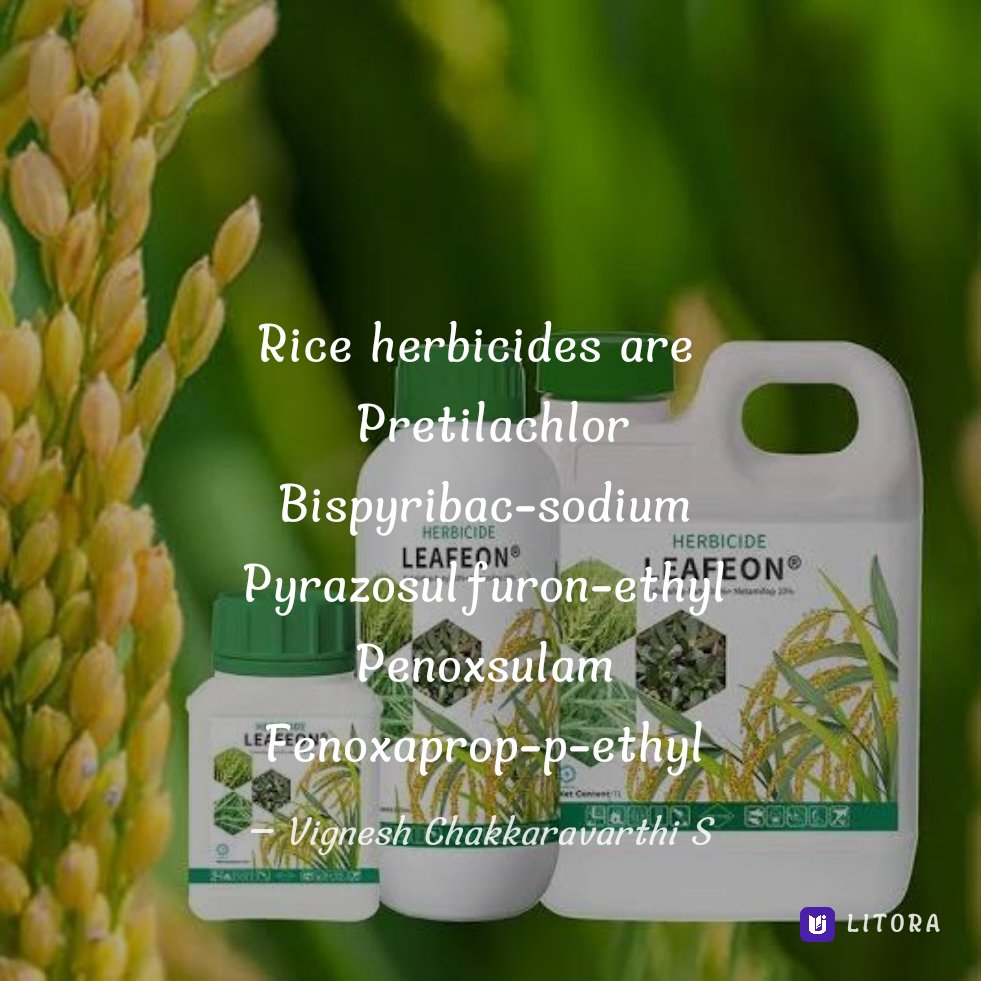
INTRODUCTION Rice(oryza sativa) is the staple food crop for India and several parts of the world.At present, India is the world's largest rice producer, cultivating approximately 47 million hectares and producing nearly 158.5 million tonnes of paddy annually, with an average productivity of about 2.9 t ha⁻¹ (FOA 2023) There are many new and modern technologies that are developed particularly for rice. The technologies are developed across the world. Aerobic rice •Aerobic rice production is cultivated in non-puddled and nonsaturated soils.This is suitable for uplands, slope areas and water insufficient areas and protective irritated lands. •Problems: Weeds Iron deficiency Advantages •Better soil and crop management •Water saving upto 30 to 50% •Lower cost 2. Golden rice •The genetically engineered beta carotene rice popularly known as golden rice. •Developed by Dr Ingo Potrykus and Dr Peter Bayer team in Zurich, Switzerland. •The US Food and Drug Administration has classified it as genetically acceptable and safe •Genetically modified rice containing Vitamin-A precursor Beta Carotene. Grains look yellow /golden colour. Good for night blindness. Advantages •Combats vitamin A deficiency •No extra costs to farmers •Preserves standard rice quality 3.super rice •It is genetically engineered strain of rice varieties which could yield more than13 tonnes/ha (35% more yield) •Genetic material from maize was inserted into rice plant including the gene for pyruvate -ortho- phosphate dikinase •US scientist Prof. Maurice developed the super rice var Advantages •High yield upto 20 to 30% more grains •Extreme climate resilience •Resources and cost efficiency •Enhanced nutrition profile 4 PARBOILED RICE (KUCHALAKKI) A hydrothermal treatment of rice grain immediately followed by drying prior to milling to prepare parboiled grains is called parboiling. In hypthermal process the crystalline process change into amorphous form. Advantages •Easy to shell •Amount of broken rice is reduced •more nutritious than raw rice
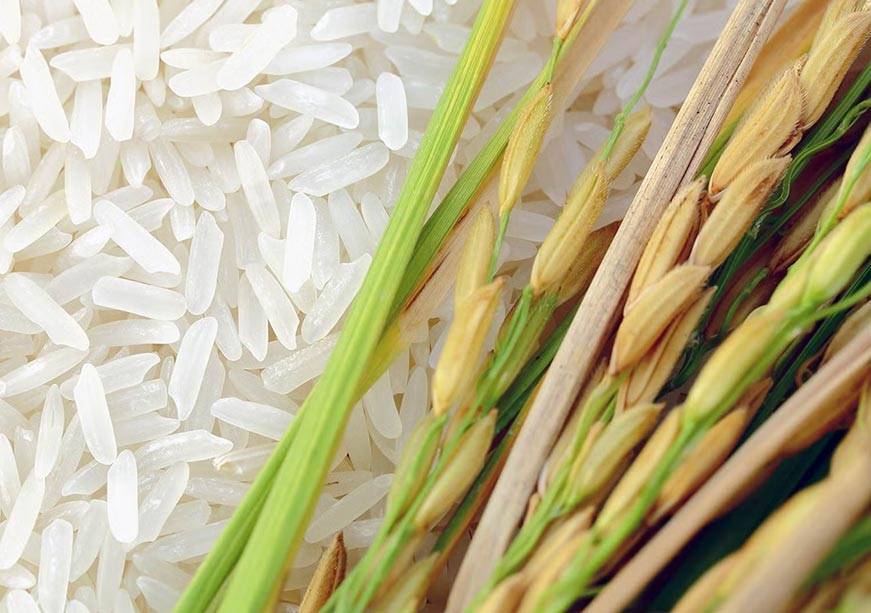

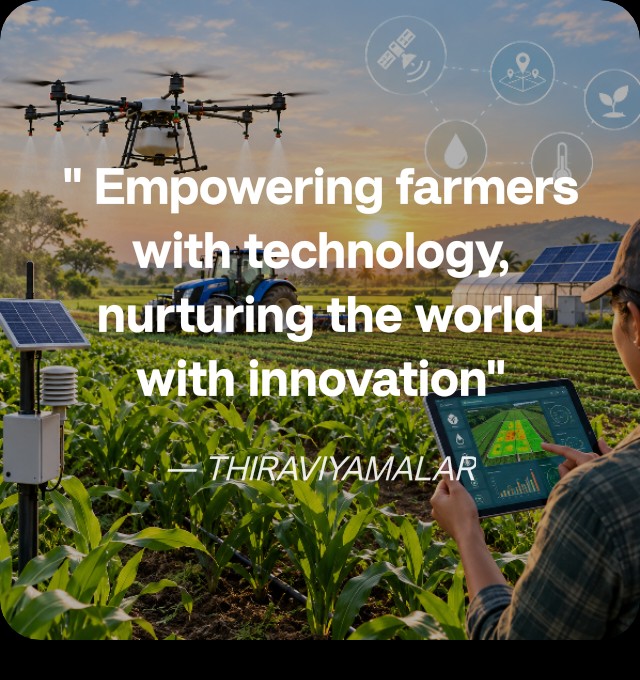
Remote Sensing: Uses its own energy source and records the reflected signal. Example: RADAR and LiDAR. COMPONENTS Energy source: Sun or artificial energy. Atmosphere: Medium through which energy travels. Target: Object or area being studied. Sensor: Detects reflected or emitted energy. Data processing: Converts collected data into useful information. Interpretation: Analyses the information for decision-making. APPLICATION IN AGRICULTURE *Crop health monitoring. Identification of crop diseases and nutrient deficiencies. Soil moisture assessment. Drought monitoring. Crop acreage estimation. Yield prediction. Irrigation management. Flood and disaster assessment. ADVANTAGES: Covers large geographical areas. Saves time and labour. Provides repeated observations. Helps in precision agriculture. Supports better farm management.

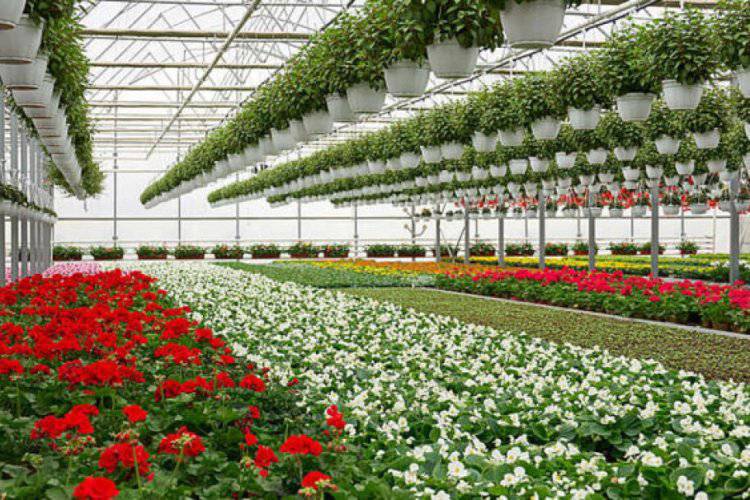
What is floriculture?Floriculture is a branch of horticulture that deals with the cultivation, production, harvesting, and marketing of flowers and ornamental plants. It includes growing flowers for decoration, gardens, bouquets, religious ceremonies, landscaping, and commercial sale. Examples: Rose, jasmine, marigold, chrysanthemu Types of flowers: 1.Cut flowers Flowers grown for cutting and arranging in bouquets and floral decorations. Examples: Rose, carnation, gerbera, gladiolus. 2. Pot plants Flowering and ornamental plants grown in pots for indoor and outdoor decoration. Examples: Chrysanthemum, anthurium, kalanchoe. 3. Loose flowers Flowers harvested without long stems for garlands, worship, and traditional decorations. Examples: Jasmine, marigold, crossandra, tuberose. 4. Landscape gardening Growing and arranging ornamental plants in gardens, parks, campuses, and public spaces. Examples: Bougainvillea, hibiscus, ixora. Methods of propagation *Sexual propagation – Seeds: Used for crops such as marigold, petunia, and zinnia. *Vegetative propagation: Includes cuttings, layering, grafting, bulbs, corms, rhizomes, and suckers, depending on the plant. *Tissue culture: Produces large numbers of uniform, healthy planting materials under controlled laboratory conditions. Importance of floriculture: Economic benefits: Generates income for farmers and entrepreneurs. Employment: Creates jobs in cultivation, nurseries, packaging, transport, and floral design. Export potential: Some cut flowers and ornamental plants have international markets. Cultural importance: Flowers are widely used in religious ceremonies, weddings, and festivals. Environmental value: Ornamental plants improve landscapes and can support pollinators when appropriate species are selected. Industrial uses: Flowers supply raw materials for perfumes, cosmetics, essential oils, and certain traditional products. Floriculture in India: India has a diverse floriculture industry because of its varied climates and growing conditions. Major commercial flowers include rose, jasmine, marigold, chrysanthemum, tuberose, and gerbera. Important flower-growing regions include Karnataka, Tamil Nadu, West Bengal, Maharashtra, and Andhra Pradesh, among others. In Tamil Nadu, jasmine, marigold, chrysanthemum, and other traditional flowers are important for domestic markets, religious uses, and garland making. Commercial flower farming: *Flower nursery management *Greenhouse and polyhouse cultivation *Bouquet and floral arrangement businesses *Landscaping and garden design *Flower drying and value-added products *Floriculture marketing and exports

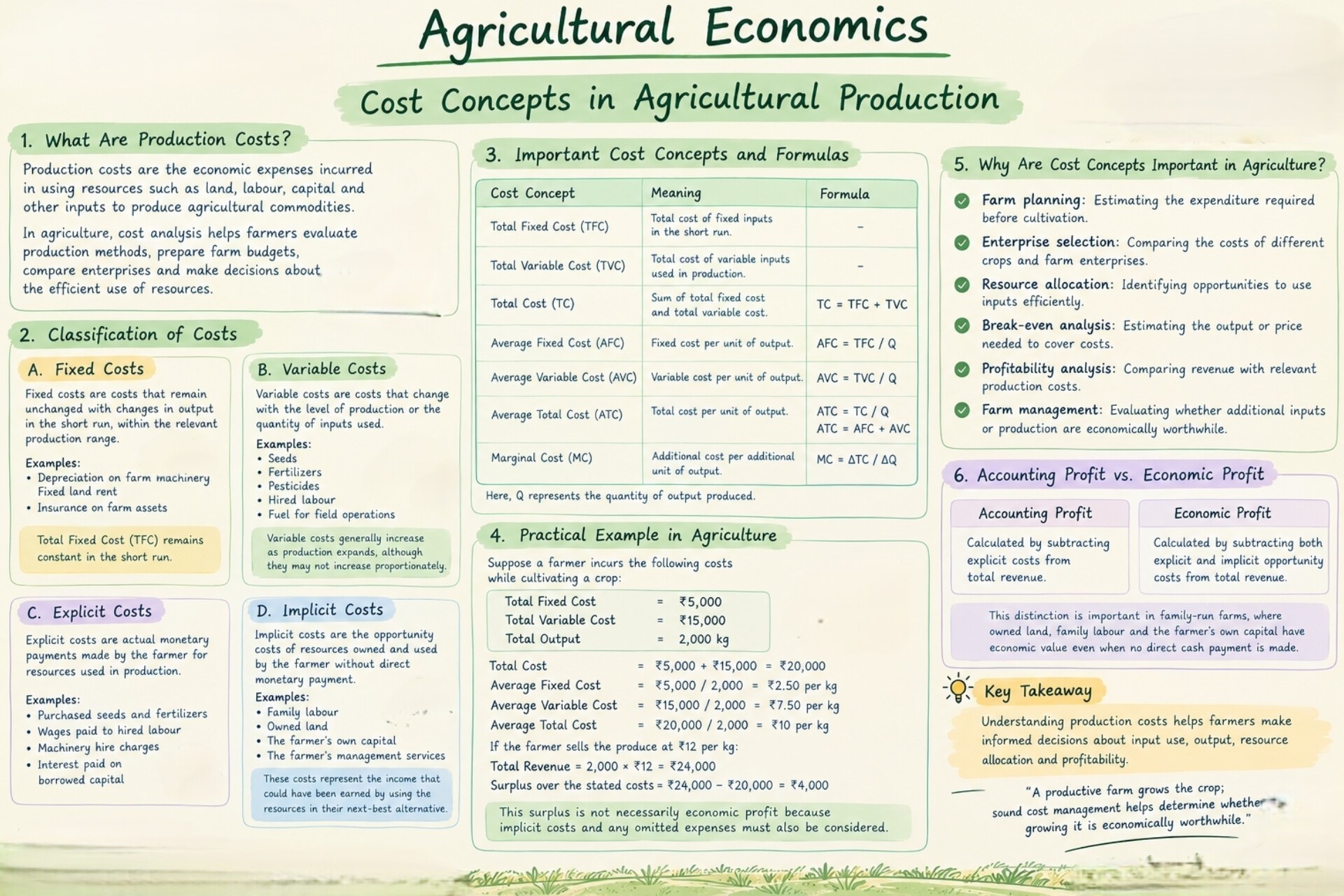
AGRICULTURAL ECONOMICS COST CONCEPTS IN AGRICULTURAL PRODUCTION 1. What Are Production Costs? Production costs are the economic expenses incurred in using resources such as land, labour, capital and other inputs to produce agricultural commodities. In agriculture, cost analysis helps farmers evaluate production methods, prepare farm budgets, compare enterprises and make decisions about the efficient use of resources. 2. Classification of Costs A. Fixed Costs Fixed costs are costs that remain unchanged with changes in output in the short run, within the relevant production range. Examples: - Depreciation on farm machinery - Fixed land rent - Insurance on farm assets Total Fixed Cost (TFC) remains constant in the short run, even when output changes. B. Variable Costs Variable costs are costs that change with the level of production or the quantity of inputs used. Examples: - Seeds - Fertilizers - Pesticides - Hired labour - Fuel for field operations Variable costs generally increase as production expands, although they may not increase proportionately. C. Explicit Costs Explicit costs are actual monetary payments made by the farmer for resources used in production. Examples: - Purchased seeds and fertilizers - Wages paid to hired labour - Machinery hire charges - Interest paid on borrowed capital D. Implicit Costs Implicit costs are the opportunity costs of resources owned and used by the farmer without direct monetary payment. Examples: - Family labour - Owned land - The farmer's own capital - The farmer's management services These costs represent the income that could have been earned by using the resources in their next-best alternative. 3. Important Cost Concepts and Formulas Total Fixed Cost (TFC): The total cost of fixed inputs in the short run. Total Variable Cost (TVC): The total cost of variable inputs used in production. Total Cost (TC): The sum of total fixed cost and total variable cost. TC = TFC + TVC Average Fixed Cost (AFC): Fixed cost per unit of output. AFC = TFC / Q Average Variable Cost (AVC): Variable cost per unit of output. AVC = TVC / Q Average Total Cost (ATC): Total cost per unit of output. ATC = TC / Q ATC = AFC + AVC Marginal Cost (MC): The additional cost incurred by producing one more unit of output. MC = Change in TC / Change in Q Here, Q represents the quantity of output produced. 4. Practical Example in Agriculture Suppose a farmer incurs the following costs while cultivating a crop: Total Fixed Cost = ₹5,000 Total Variable Cost = ₹15,000 Total Output = 2,000 kg Total Cost = ₹5,000 + ₹15,000 = ₹20,000 Average Fixed Cost = ₹5,000 / 2,000 = ₹2.50 per kg Average Variable Cost = ₹15,000 / 2,000 = ₹7.50 per kg Average Total Cost = ₹20,000 / 2,000 = ₹10 per kg If the farmer sells the produce at ₹12 per kg: Total Revenue = 2,000 × ₹12 = ₹24,000 Surplus over the stated costs = ₹24,000 − ₹20,000 = ₹4,000 This surplus is not necessarily economic profit because implicit costs and any omitted expenses must also be considered. 5. Why Are Cost Concepts Important in Agriculture? - Farm planning: Estimating the expenditure required before cultivation. - Enterprise selection: Comparing the costs of different crops and farm enterprises. - Resource allocation: Identifying opportunities to use inputs efficiently. - Break-even analysis: Estimating the output or price needed to cover costs. - Profitability analysis: Comparing revenue with relevant production costs. - Farm management: Evaluating whether additional inputs or production are economically worthwhile. 6. Accounting Profit vs. Economic Profit Accounting profit is calculated by subtracting explicit costs from total revenue. Economic profit is calculated by subtracting both explicit and implicit opportunity costs from total revenue. This distinction is important in family-run farms, where owned land, family labour and the farmer's own capital have economic value even when no direct cash payment is made. KEY TAKEAWAY Understanding production costs helps farmers make informed decisions about input use, output, resource allocation and profitability. “A productive farm grows the crop; sound cost management helps determine whether growing it is economically worthwhile.” #AgriculturalEconomics #AgriEconomics #FarmManagement
Select an option to cast your vote • 4 total votes

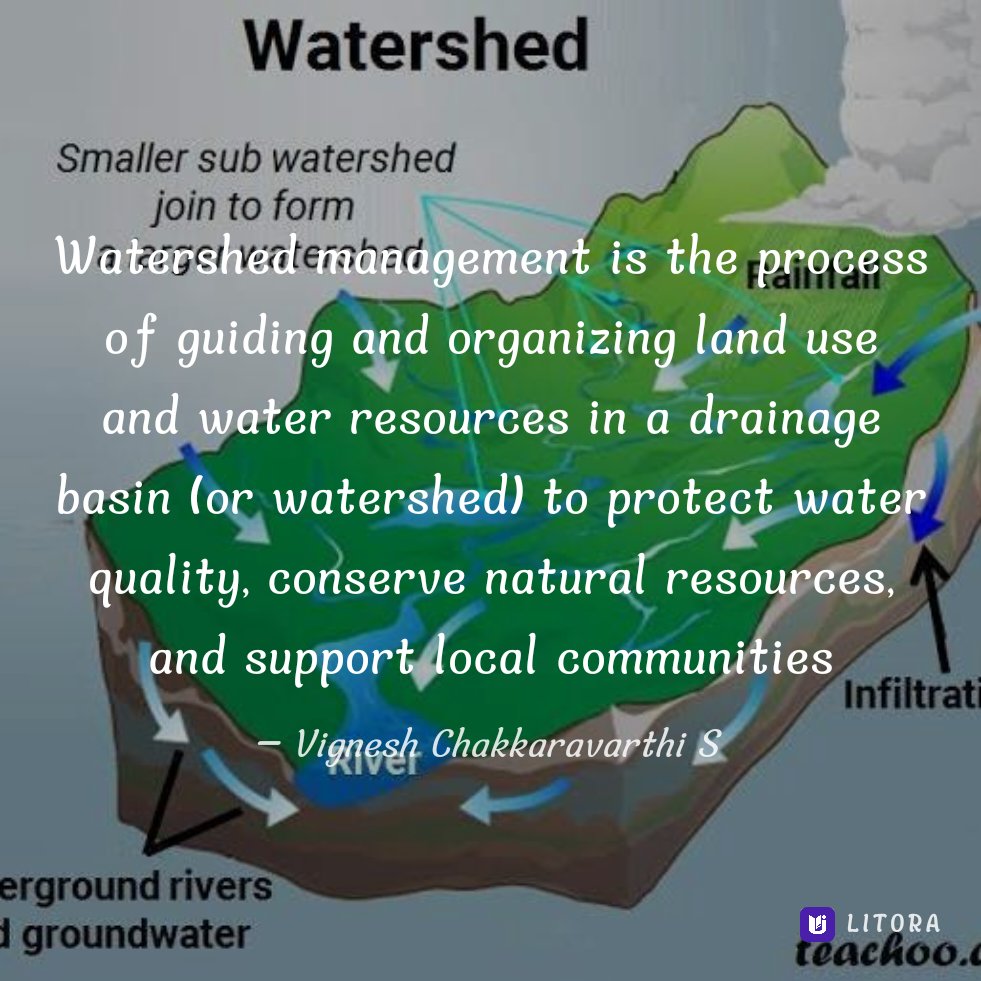
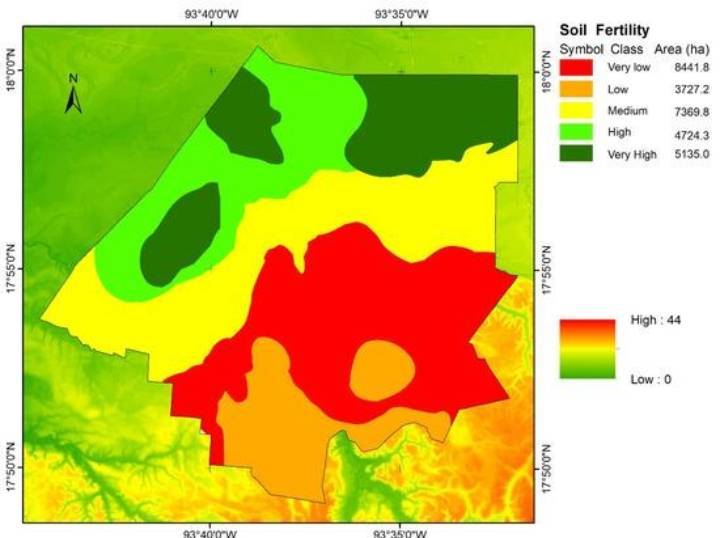
GIS GIS stands for Geographic Information System. It is a computer-based system used to collect, store, manage, analyse and display geographical data. Soil Fertility Mapping: Identifies soil types, pH and nutrient distribution.Crop Monitoring: Helps monitor crop growth and identify unhealthy areas. Fertilizer Management: Supports site-specific fertilizer application based on soil and crop requirements. Irrigation Management: Helps plan irrigation according to soil properties and field conditions. Yield Mapping: Identifies variations in crop yield across a field. Pest and Disease Management: Maps affected areas to support targeted management. Land Use Mapping: Helps identify agricultural land boundaries and land-use patterns. Watershed Management: Supports water conservation and soil erosion control. Components of GIS: Hardware Software Data People Methods This is the basic info about GIS
Select an option to cast your vote • 2 total votes
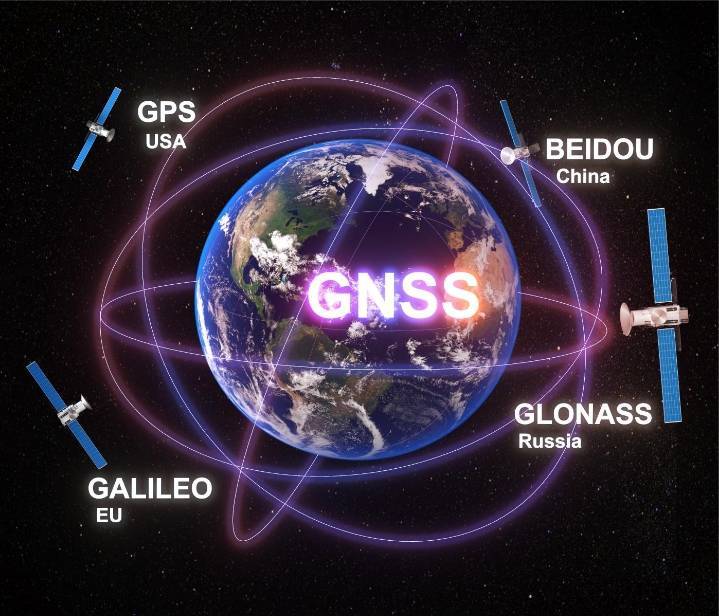
GPS (Global Positioning System) and GNSS (Global Navigation Satellite System) are satellite-based positioning technologies used to determine the geographical location of objects on or near Earth.In precision farming, they help farmers identify exact field locations, guide agricultural machinery, map soil variability and manage farm inputs accurately. Components OF GPS/GNSS 1. Space segment Satellites orbiting Earth transmit positioning and timing signals. 2. Control segment Ground stations monitor satellite performance and maintain orbit and clock information. 3. User segment Receivers in tractors, drones and surveying equipment calculate their position using satellite signals. GPS = one satellite navigation system; GNSS = the broader group of satellite navigation systems; RTK = a high-precision positioning technique.

Select an option to cast your vote • 6 total votes
Select an option to cast your vote • 4 total votes
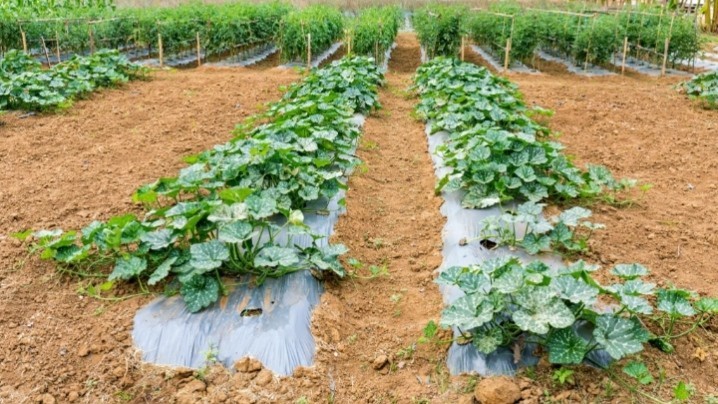
PAPER MULCHING What is paper mulching? Paper mulching involves covering the soil with specially prepared agricultural paper, usually around crop rows or planting beds. Small holes are made in the paper to plant seeds or seedlings. The paper gradually decomposes under suitable field conditions. Methods of paper mulching 1. Soil preparation Plough the field, remove weeds, and prepare raised beds or flat planting beds 2.Laying the paper Spread suitable agricultural-grade biodegradable paper over the soil and secure its edges to prevent wind damage. 3. Planting and irrigation Make holes in the paper and plant seedlings. Drip irrigation can be installed beneath the mulch. 4. Crop growth and decomposition Monitor the crop, irrigation, and paper condition. After harvest, manage the remaining paper according to its biodegradability and product instructions. Advantages *Weed control: Blocks sunlight and suppresses weed growth. *Moisture conservation: Reduces direct evaporation from the soil. *Temperature regulation: Helps moderate soil temperature, especially in hot conditions. *Environmental protection: Suitable biodegradable paper can reduce dependence on conventional plastic mulch. *Crop productivity: May improve crop growth, yield, and quality when the material suits the crop and local conditions. Limitations *Agricultural-grade paper may cost more than ordinary plastic mulch. *Paper can tear or deteriorate during heavy rain and strong winds. *Installation may require additional labour. *Decomposition depends on paper quality, moisture, and climate. *Printed, coated, or chemically treated paper should not be used unless it is confirmed safe for agricultural soil.
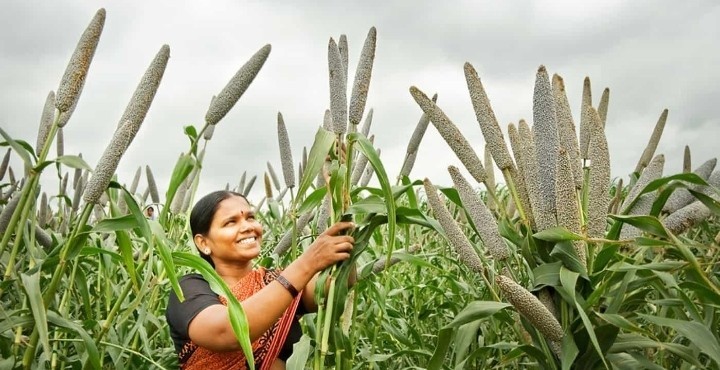
MILLETS:THE FUTURE OF CLIMATE RESILIENT AGRICULTURE Millets are nutritious cereal crops that play an important role in sustainable agriculture. Pearl millet (Cenchrus americanus) and finger millet (Eleusine coracana) are important examples. Millets are well suited to many dryland farming systems because they can tolerate drought better than several major cereal crops. They generally require less water than rice and are valuable sources of nutrients, dietary fibre and minerals. With climate change increasing the risk of drought and irregular rainfall, millet cultivation can help farmers diversify crops and improve food security. Promoting millet consumption also supports sustainable farming and rural livelihoods. 🌾Millets are not just traditional crops; they are promising crops for a climate-resilient and food-secure future. 🌱 Agriculture fact: 2023 was declared the International Year of Millets by the United Nations, following India's initiative.
We have heard about spreading love or happiness etc. but have you ever heard about spreading 'pain'? Well, first look at some examples:- * When you pass out from school or a certain grade and then your school adds more facilities. Oh! how we wish we had had them and feel envy towards those students who will be enjoying them. (this happens in most of the cases.) * When women (patriarchal) do not support other women or when they force them to follow the same toxic traditions* that they had to, because they didn't have any choice. * When the society forces people to get married or have kids cause they had to do the same or rather go through the same thing or pain. From these examples, we find a common factor and that is - people want other people to go through the same pain or suffering that they themselves did or rather had to 'cause the society forced them and now they want to do the same with others. (In most of the cases) sometimes, they don't have a choice (in 1st example), so they can't do anything even if they want to, but when they can, people tend to make sure to spread pain. In situations like these, are where the terms like compassion, empathy and so on must be practised by us so that we don't make others suffer.