T
@litora_user944779•Oct 18•
Quote

•Open
@litora_user944779
Writer & Thinker
B.sc (Hons) agriculture Agri student 🌾
11 works inscribed by THIRAVIYAMALAR
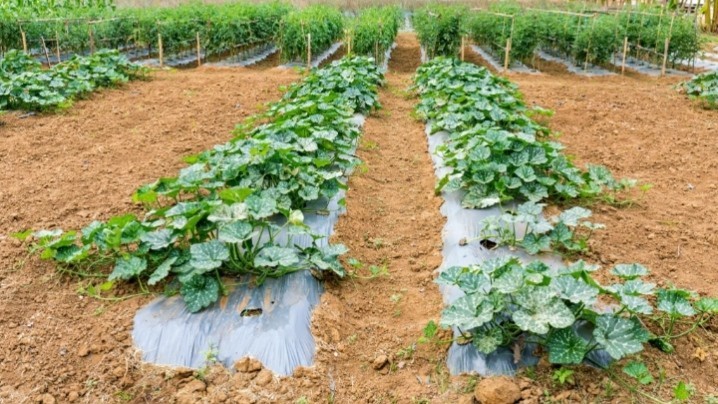
PAPER MULCHING What is paper mulching? Paper mulching involves covering the soil with specially prepared agricultural paper, usually around crop rows or planting beds. Small holes are made in the paper to plant seeds or seedlings. The paper gradually decomposes under suitable field conditions. Methods of paper mulching 1. Soil preparation Plough the field, remove weeds, and prepare raised beds or flat planting beds 2.Laying the paper Spread suitable agricultural-grade biodegradable paper over the soil and secure its edges to prevent wind damage. 3. Planting and irrigation Make holes in the paper and plant seedlings. Drip irrigation can be installed beneath the mulch. 4. Crop growth and decomposition Monitor the crop, irrigation, and paper condition. After harvest, manage the remaining paper according to its biodegradability and product instructions. Advantages *Weed control: Blocks sunlight and suppresses weed growth. *Moisture conservation: Reduces direct evaporation from the soil. *Temperature regulation: Helps moderate soil temperature, especially in hot conditions. *Environmental protection: Suitable biodegradable paper can reduce dependence on conventional plastic mulch. *Crop productivity: May improve crop growth, yield, and quality when the material suits the crop and local conditions. Limitations *Agricultural-grade paper may cost more than ordinary plastic mulch. *Paper can tear or deteriorate during heavy rain and strong winds. *Installation may require additional labour. *Decomposition depends on paper quality, moisture, and climate. *Printed, coated, or chemically treated paper should not be used unless it is confirmed safe for agricultural soil.
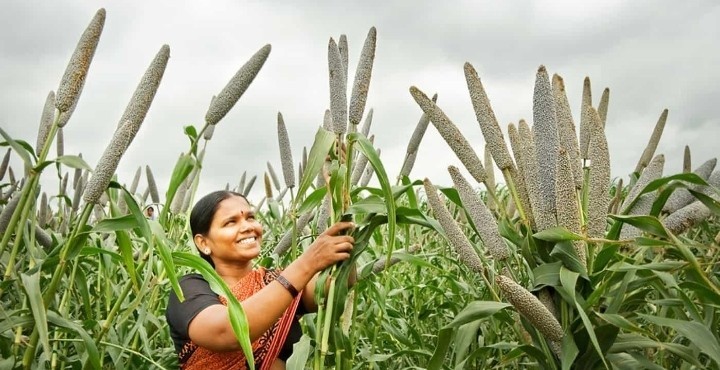
MILLETS:THE FUTURE OF CLIMATE RESILIENT AGRICULTURE Millets are nutritious cereal crops that play an important role in sustainable agriculture. Pearl millet (Cenchrus americanus) and finger millet (Eleusine coracana) are important examples. Millets are well suited to many dryland farming systems because they can tolerate drought better than several major cereal crops. They generally require less water than rice and are valuable sources of nutrients, dietary fibre and minerals. With climate change increasing the risk of drought and irregular rainfall, millet cultivation can help farmers diversify crops and improve food security. Promoting millet consumption also supports sustainable farming and rural livelihoods. 🌾Millets are not just traditional crops; they are promising crops for a climate-resilient and food-secure future. 🌱 Agriculture fact: 2023 was declared the International Year of Millets by the United Nations, following India's initiative.
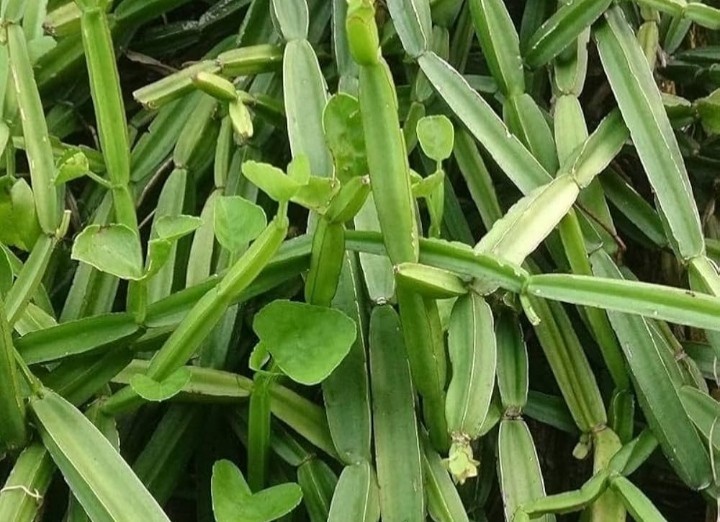
PIRANDAI Adamant creeper (Cissus quadrangularis), also known as pirandai or hadjod, is a traditional medicinal plant that strengthens bones, improves digestion, and reduces joint pain. Key Health Benefits • Bone Health: Rich in calcium and phosphorus, it helps heal broken bones, increases bone density, and prevents osteoporosis. • Joint Relief: Its strong anti-inflammatory properties ease swelling, arthritis, and back or knee pain. • Digestion: High dietary fiber content relieves gastritis, indigestion, constipation, and stomach ulcers. • Weight Management: It aids in lowering bad cholesterol (LDL) and supports a healthy metabolism. Safe Handling and Preparation • Prevent Itching: Raw stems contain calcium oxalate crystals that cause throat or hand irritation. • Oil Application: Grease your hands with cooking oil or wear gloves before peeling and chopping the tender stems. • Cooking: Always cook the plant thoroughly with tamarind to neutralize any remaining irritation. It is commonly consumed as a chutney, thogayal, or powder (podi) 1 to 2 times a week.
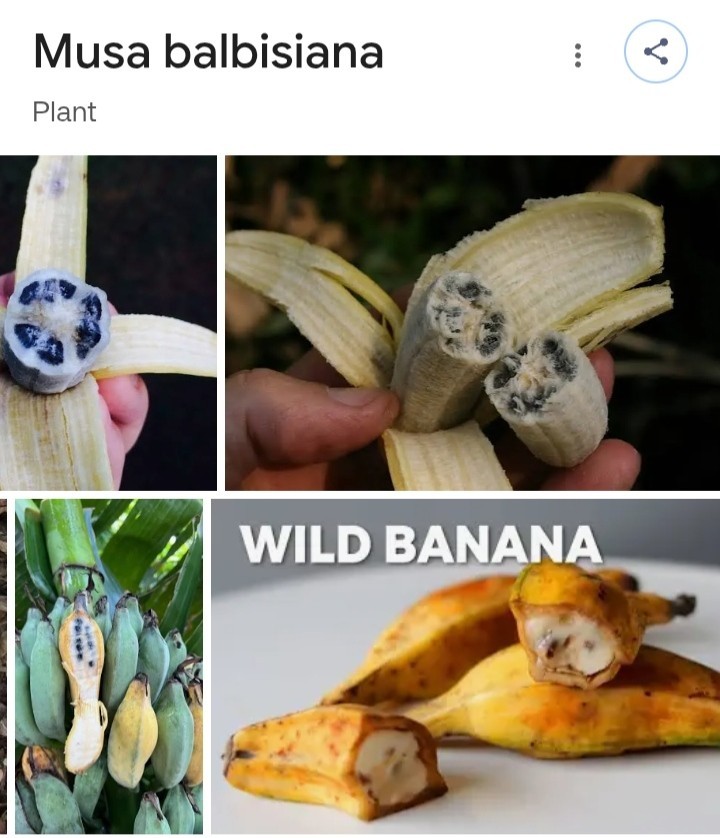
🍌 Why Do Wild Bananas Have Huge Seeds? Have you ever wondered why wild bananas contain large, hard seeds, while the bananas we commonly eat are almost seedless? The difference is the result of natural variation, selection, parthenocarpy, sterility, and vegetative propagation. 🌿 Wild Bananas Wild banana species naturally produce fruits containing large, hard seeds. These seeds help the plant reproduce naturally through sexual reproduction. The seeds can germinate and produce new banana plants with genetic variation. 🧬 Natural Variation Over time, some banana plants naturally developed fruits with fewer or poorly developed seeds and more edible pulp. These plants would have been more attractive to humans because their fruits were easier and more pleasant to eat. 👨🌾 Selection by Early Farmers Early farmers gradually selected banana plants that produced tastier, fleshier fruits with fewer seeds. By repeatedly propagating these desirable plants, humans helped develop the cultivated bananas we know today. 🌱 Vegetative Propagation Through Suckers Bananas can be propagated using suckers, which are young shoots that develop from the underground rhizome. Farmers could use these suckers to produce new plants without depending on seeds. This allowed desirable characteristics to be preserved from one generation to the next. 🍌 Parthenocarpy and Seedlessness Many cultivated bananas are parthenocarpic, meaning the fruit develops without successful fertilization and therefore produces little or no mature seed. In addition, many edible banana varieties have sterility and chromosome-related characteristics that contribute to their seedlessness. 💡 The Interesting Part Farmers did not need to plant seeds to preserve their favourite banana varieties. Instead, they could multiply the plants vegetatively through suckers. This helped maintain desirable traits such as seedlessness, high pulp content, good taste, and larger edible fruits. 🌾 Conclusion The seedless banana we eat today is therefore the result of a long history of natural variation and human selection, followed by vegetative propagation. While wild bananas retained large seeds for natural reproduction, cultivated bananas were selected for their fleshier, more convenient, and almost seedless
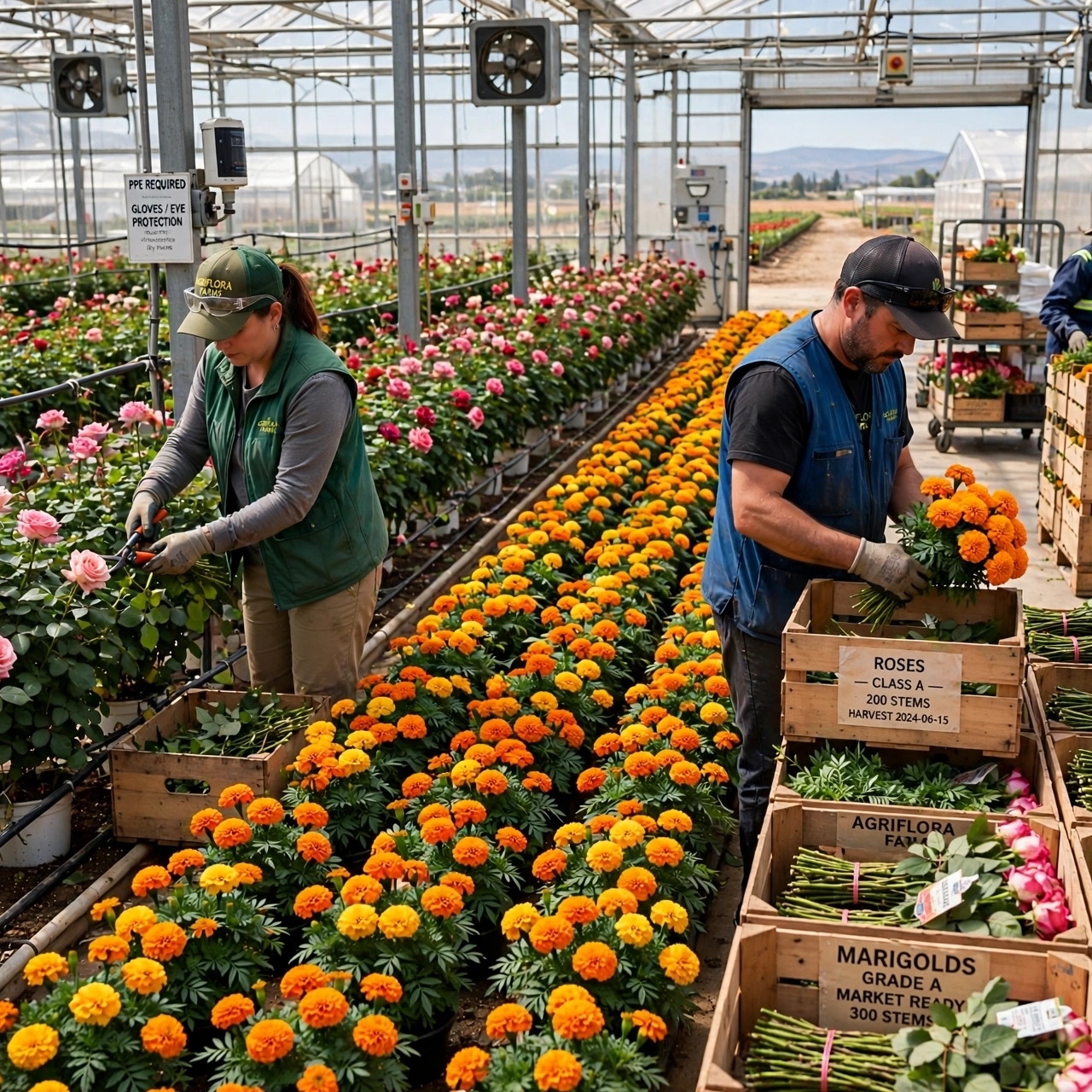
Floriculture in Agribusiness Floriculture is the branch of horticulture concerned with the cultivation, production, processing, marketing and trade of flowers and ornamental plants. Role of Floriculture in Agribusiness 1.Commercial flower production – Rose, jasmine, marigold, chrysanthemum, gerbera, carnation, etc. 2.Employment generation – Provides jobs in cultivation, harvesting, packing, transport and marketing. 3.Income generation – High-value flowers can provide good returns from small areas. 4.Value addition – Flowers can be converted into bouquets, garlands, essential oils, perfumes, dried flowers and floral products. 5.Export potential – Cut flowers and planting materials can be exported to international markets. 6.Entrepreneurship – Opportunities exist in nurseries, flower shops, landscaping, greenhouse production and floral decoration. 7.Allied industries – Supports packaging, cold storage, transportation, event decoration and processing industries 8.Urban market – Demand comes from weddings, festivals, temples, hotels, offices and other functions.
Litora Platform · Professional Social Publishing