T
@litora_user944779·Recent
Article3 min read
WILD BANANAS 🍌
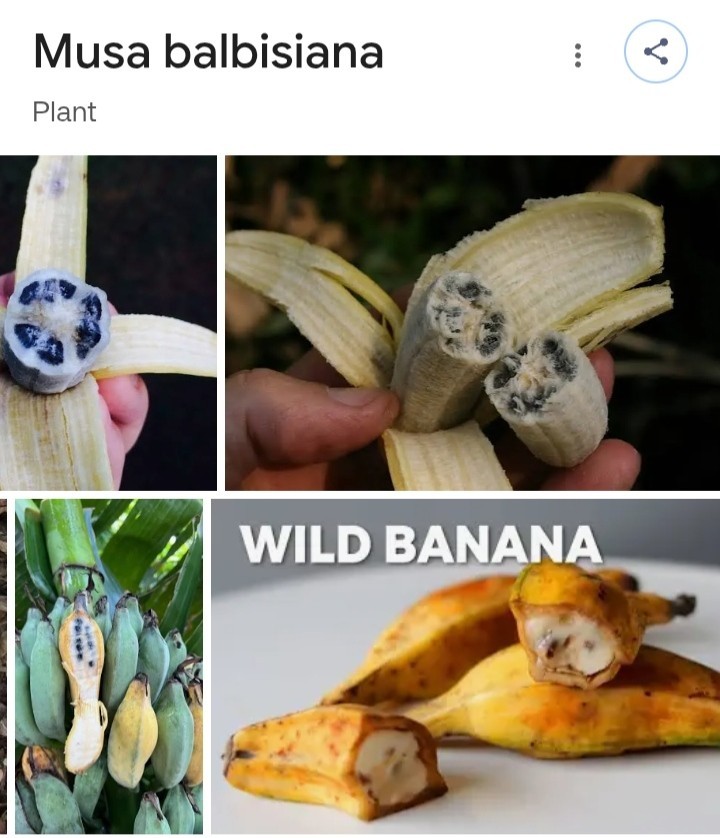
🍌 Why Do Wild Bananas Have Huge Seeds?
Have you ever wondered why wild bananas contain large, hard seeds, while the bananas we commonly eat are almost seedless? The difference is the result of natural variation, selection, parthenocarpy, sterility, and vegetative propagation.
🌿 Wild BananasWild banana species naturally produce fruits containing large, hard seeds. These seeds help the plant reproduce naturally through sexual reproduction. The seeds can germinate and produce new banana plants with genetic variation.
🧬 Natural VariationOver time, some banana plants naturally developed fruits with fewer or poorly developed seeds and more edible pulp. These plants would have been more attractive to humans because their fruits were easier and more pleasant to eat.
👨🌾 Selection by Early FarmersEarly farmers gradually selected banana plants that produced tastier, fleshier fruits with fewer seeds. By repeatedly propagating these desirable plants, humans helped develop the cultivated bananas we know today.
🌱 Vegetative Propagation Through SuckersBananas can be propagated using suckers, which are young shoots that develop from the underground rhizome. Farmers could use these suckers to produce new plants without depending on seeds. This allowed desirable characteristics to be preserved from one generation to the next.
🍌 Parthenocarpy and SeedlessnessMany cultivated bananas are parthenocarpic, meaning the fruit develops without successful fertilization and therefore produces little or no mature seed. In addition, many edible banana varieties have sterility and chromosome-related characteristics that contribute to their seedlessness.
💡 The Interesting PartFarmers did not need to plant seeds to preserve their favourite banana varieties. Instead, they could multiply the plants vegetatively through suckers. This helped maintain desirable traits such as seedlessness, high pulp content, good taste, and larger edible fruits.
🌾 ConclusionThe seedless banana we eat today is therefore the result of a long history of natural variation and human selection, followed by vegetative propagation. While wild bananas retained large seeds for natural reproduction, cultivated bananas were selected for their fleshier, more convenient, and almost seedless
0 remarks
Remarks & Intellectual Discussion (0)
No remarks yet. Be the first thinker to start the dialogue.