Mirunalini.M

Mirunalini.M

@miru_2211

“Farming is a profession of hope.”

Annamalai University
Annamalai nagar
Joined Early Thinker
··
2175 coins

About

"Hard work buys experience, smart work buys time."

Activity & Published Literature

3 works inscribed by Mirunalini.M

Mirunalini.M
Mirunalini.M
@miru_2211•Sep 23•
Story

Vermiculture

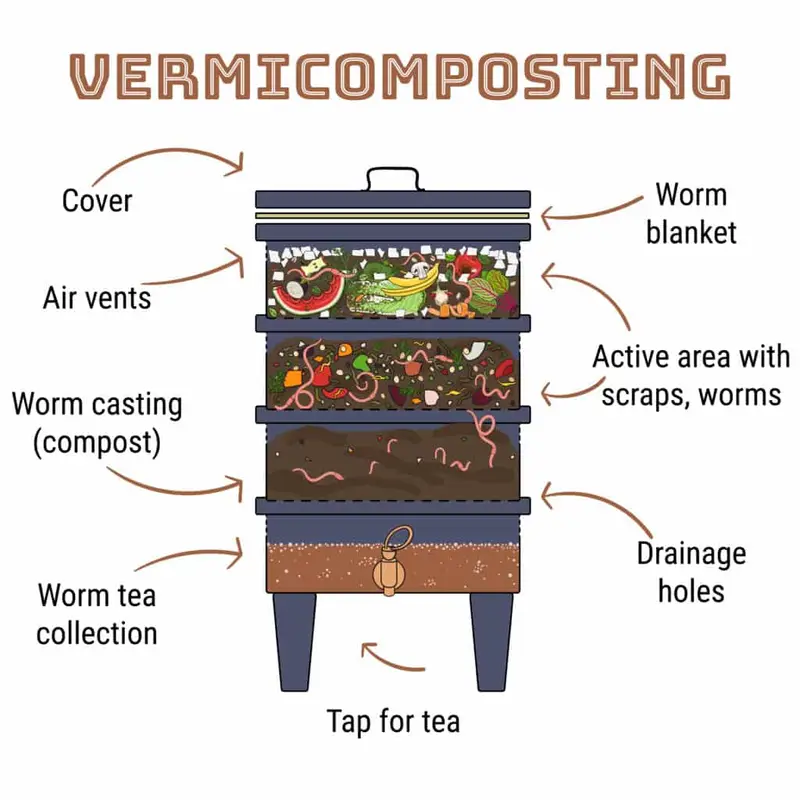
Vermiculture is the practice of using worms—most commonly red wigglers (*Eisenia fetida*) or red earthworms—to break down organic waste into a rich, dark fertilizer known as vermicompost or worm castings. It's a sustainable, low-cost way to recycle kitchen and garden waste while producing one of the most nutrient-dense soil amendments available. ✓How the Process Works Worms are housed in a bin filled with bedding material such as shredded newspaper, cardboard, or coconut coir, kept consistently moist. As organic scraps are added, the worms consume the material along with the bacteria and microbes breaking it down, then excrete castings rich in nitrogen, phosphorus, potassium, and beneficial microorganisms. ✓Setting Up a Worm Bin A good bin needs proper drainage and ventilation holes, a dark environment (worms avoid light), and a stable temperature between 55–77°F (13–25°C). Feed worms fruit and vegetable scraps, coffee grounds, tea bags, and crushed eggshells—avoid meat, dairy, oily foods, and citrus, which can cause odor or acidity problems. ✓Benefits Vermiculture reduces household waste sent to landfills, improves soil structure and water retention, boosts plant growth naturally, and can be done indoors or outdoors, making it accessible even for apartment dwellers. Harvesting castings every few months yields a valuable, chemical-free fertilizer for gardens and houseplants alike.
Vermiculture
•Open
Mirunalini.M
Mirunalini.M
@miru_2211•Sep 15•
Story

Remote sensing

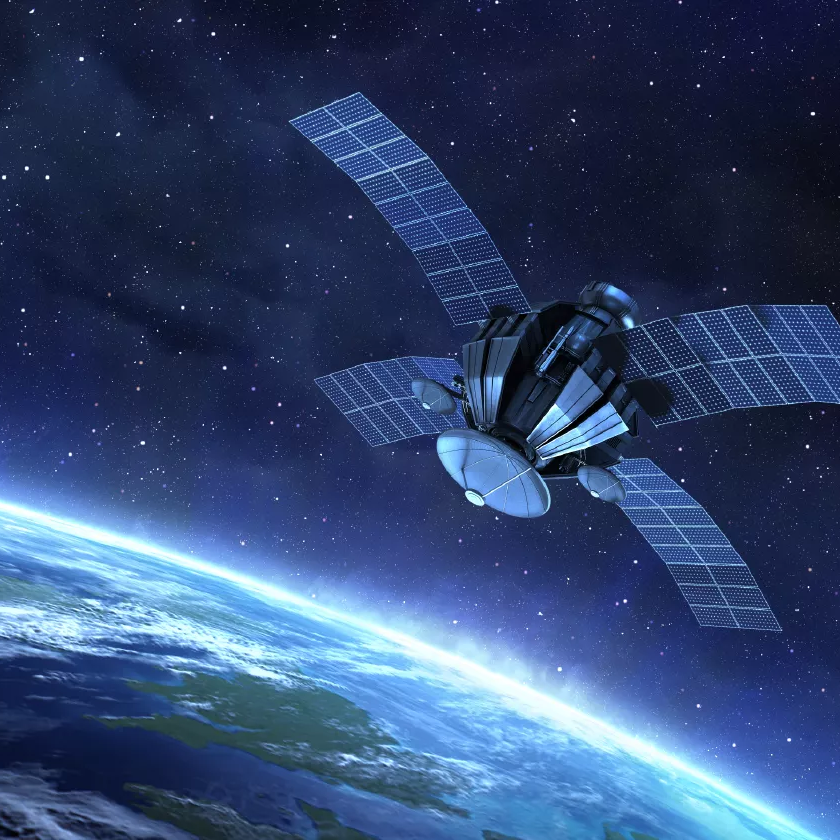
Remote sensing is the science of collecting information about the Earth’s surface without direct physical contact with the objects or areas being studied. It uses sensors mounted on satellites, aircraft, drones, or other platforms to detect and record electromagnetic radiation reflected or emitted from the Earth.In agriculture, remote sensing is an important technology for crop monitoring and precision farming. Satellite images can provide information about crop health, growth, moisture status, nutrient deficiencies, and pest or disease-affected areas. Vegetation indices such as NDVI (Normalized Difference Vegetation Index) are used to assess the condition and vigour of crops. Remote sensing also helps in soil mapping, land-use classification, irrigation management, drought monitoring, yield estimation, and identification of stressed crops. It allows farmers and agricultural experts to monitor large areas quickly and efficiently. Multispectral and hyperspectral sensors can provide detailed information about crops and soil. The major advantages of remote sensing are large-area coverage, rapid data collection, repeated monitoring, reduced field work, and cost-effective management. Therefore, remote sensing plays an important role in modern agriculture by supporting better decision-making, efficient use of water and fertilizers, and improved crop productivity.

Remote sensing
•Open