Genetically modified crops and their impact in humans and environment
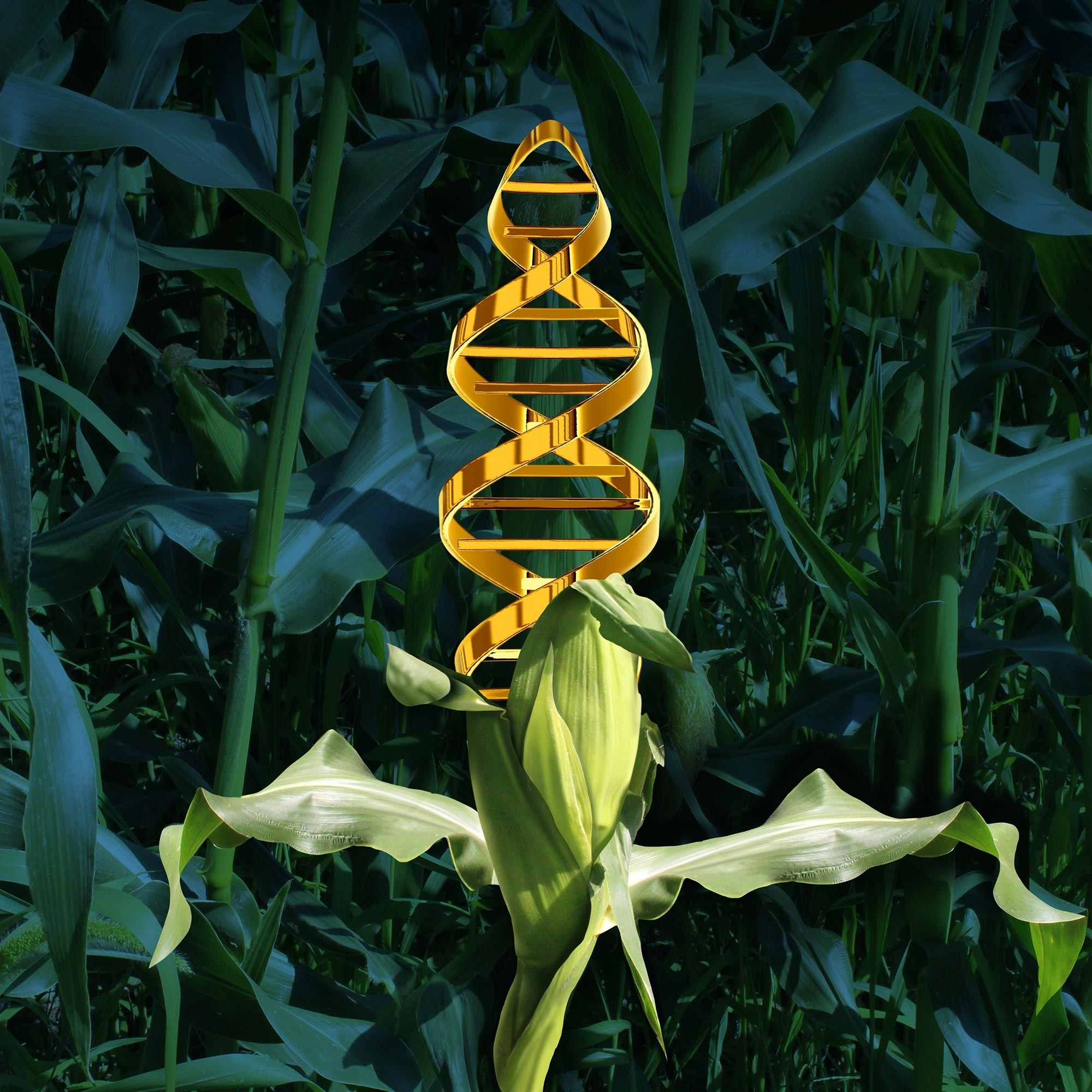
Genetically modified (GM) crops are plants whose DNA has been altered using biotechnology to introduce specific traits, such as insect resistance or herbicide tolerance. Impact on Human Health * Nutritional Enhancement: GM crops like Golden Rice are engineered with beta-carotene (provitamin A) to help reduce malnutrition and vitamin deficiencies in developing regions. * Pesticide and Toxin Reduction: Crops like Bt crops (such as Bt cotton and Bt corn) produce internal proteins toxic to specific pests, which lowers the need for heavy external chemical sprays. * Allergenicity and Toxicity Concerns: Critics and health reviews note theoretical risks, such as the transfer of potential allergens or unintended metabolic changes, though long-term studies generally show standard GM foods are nutritionally equivalent to non-GM foods. * Food Safety Record: According to global health organizations like the World Health Organization, commercialized GM foods currently available on the market have not shown evidence of direct human poisoning, though independent long-term monitoring is still debated by committees like the PRS Legislative Research on GM Crops. Impact on the Environment * Chemical and Pesticide Use: Insect-resistant and herbicide-tolerant traits have decreased overall chemical pesticide applications and reduced chemical runoff into local water bodies in many regions. * Soil Health and Tillage: Herbicide-tolerant traits allow farmers to use no-till or reduced-tillage farming practices, which helps minimize soil erosion and tractor fuel use. * Pest and Weed Resistance: Over-reliance on specific herbicides (like Roundup) or Bt toxins can lead to the evolution of "superweeds" and resistant pest populations, requiring new or stronger management tactics. * Biodiversity and Gene Flow: Engineered genes can occasionally cross-pollinate with wild relatives or conventional crops, raising concerns about shifts in local plant diversity and the protection of non-target insect species. * The pollen contamination of GMs crops with normal crops leads to loss of genetic diversity and disturb the genetic flow in environment