
@gova_lit22181·Recent
Story5 min read
Pulses and their production constraints
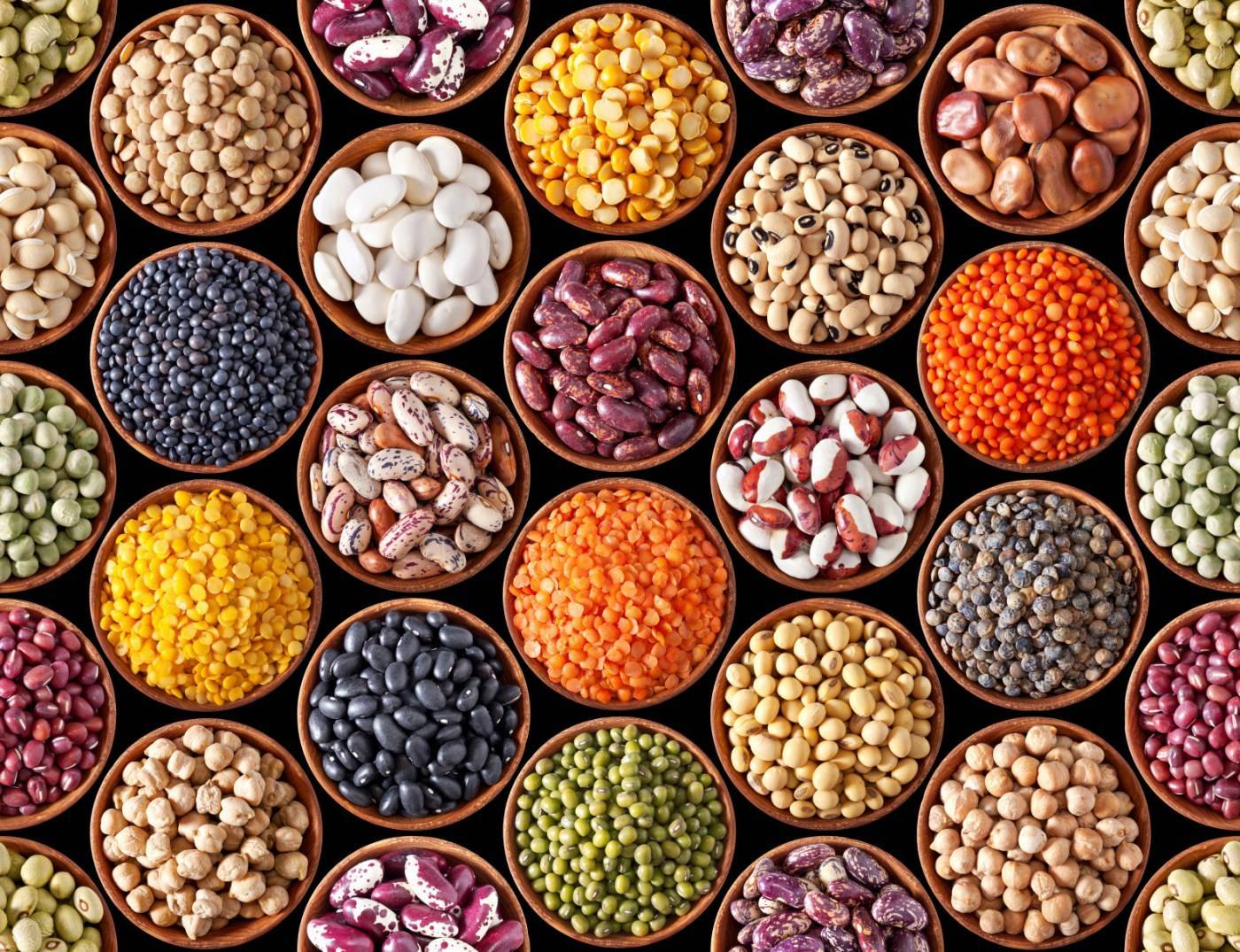
Pulses are the crops which act as major source of protein in human diet. The thing which makes pulses stand out from other crops are they are rich in protein, amino acids, vitamins and minerals. Ex: Soyabean which contains 48% of protein.Pulse also helps in increasing the fertility of soil by Nitrogen fixation and organic matter addition.
Constraints in Pulse production:Even though pulse crop have more nutrient availablity they have low production and productivity in India. Ex: 590-600 kg/ ha , due to*Area under pulses are very low due to climatic hazards.* Major pulses crop are grown in mixed, cover, marginal and inter cropping method. Farmers are not interested to grow pulses as pure crop.* They are susceptible to water logging, pest and disease infection. This may leads to severe yield loss.* Lack of HYV in pulses due to research in pulses.* Initial cost of cultivation is not meet out by yield profit.* Lack of knowledge of farmers about the cultivation practices like seed rate requirements, fertilizer requirement and application.* Weed competition is high due to slow initial growth.Mitigation measures to increase yield :* Developing and using of HYV of pulses in efficient way.* Creating awareness about pulses importance and their values in world market about farmers.*Seed Treatment and Biofertilizers: Treat seeds with Rhizobium cultures and phosphate-solubilizing bacteria (PSB) to enhance biological nitrogen fixation and nutrient uptake.*Climate-Resilient and High-Yielding Varieties: Shift to drought-resistant, heat-tolerant, and short-duration crop cultivars that can escape terminal heat stress and erratic rainfall patterns.*Integrated Pest and Disease Management (IPM): Deploy yellow sticky traps, pheromone traps, bird perches, and bio-fungicides like Trichoderma alongside targeted, safe bio-pesticides or neem oil to manage pod borers, wilt, and leaf spot diseases. Remove crop residues/field sanitation to prevent fungal carryover.* Incentives from governments to encourage the pulse farmers.* Post-Harvest Loss Reduction: Harvest crops at proper maturity, sun-dry grains down to 10–12% moisture content before storage, and use cleaned/sealed bins to prevent storage pest infestations.Government incentives for pulse farmers:
Major Central Government Schemes
* Mission for Aatmanirbharta in Pulses (launched October 2025): A ₹11,440 crore central scheme running from 2025–26 to 2030–31 aimed at boosting area expansion, yield, and climate-resilient seed distribution. It guarantees 100% procurement of tur, urad, and masoor for registered farmers through NAFED and NCCF at the Minimum Support Price (MSP).*National Food Security Mission (NFSM-Pulses): Focuses on increasing production and productivity through the distribution of high-yielding variety (HYV) seeds, agronomic demonstrations, and mechanization support.*PM-AASHA Scheme: The Pradhan Mantri Annadata Aay Sanrakshan Abhiyan safeguards farmers from distress sales by strengthening MSP implementation and price-support interventions with a major budgetary allocation.
Subsidies and Processing Support
* Seed Assistance: Farmers receive direct seed subsidies (such as up to ₹25/kg or 50% cost sharing for certified/foundation seeds) under NFSM and state agriculture programs.*Processing Unit Subsidies: Under the new pulses mission and state-level initiatives (such as in Tamil Nadu and Bihar), eligible Farmer Producer Organisations (FPOs), self-help groups, and entrepreneurs can receive a subsidy of up to ₹25 lakh (or 33% to 50% of the project cost) to set up localized pulse processing and packaging units
0 remarks
Remarks & Intellectual Discussion (0)
No remarks yet. Be the first thinker to start the dialogue.