How Drones Are Reshaping Industry: From Farms to Front Doors

How Drones Are Reshaping Industry: From Farms to Front Doors
Drone technology has moved well past hobbyist photography and military use. Today, unmanned aerial vehicles (UAVs) are quietly transforming entire industries, offering speed, precision, and safety that ground-based methods simply can't match.
Agriculture: Eyes in the Sky for Better Yields
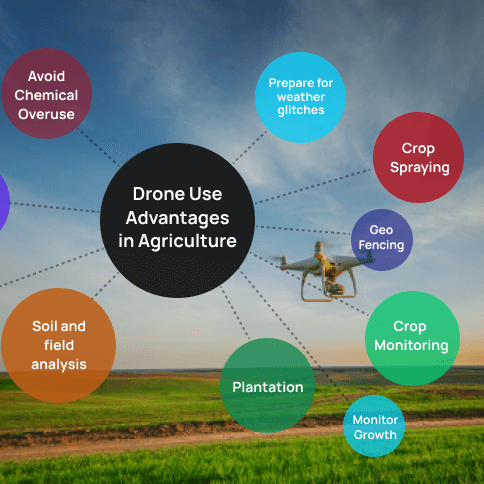
Farmers were among the earliest adopters of commercial drone technology, and for good reason. Equipped with multispectral cameras, drones can survey hundreds of acres in minutes, spotting irrigation problems, pest infestations, and nutrient deficiencies long before they're visible to the naked eye. Some models now handle precision spraying, applying fertilizer or pesticide only where needed — cutting chemical use significantly while boosting crop health. This shift from guesswork to data-driven farming is a major reason "precision agriculture" has become a buzzword across the sector.
Delivery: The Last Mile Gets Shorter
Delivery drones promise to solve one of logistics' oldest headaches: the "last mile" problem. Companies have been testing drone delivery for everything from fast food to prescription medications, especially in suburban and rural areas where traditional delivery trucks are slower and less efficient. Medical logistics has seen some of the most compelling results — drones now transport blood, vaccines, and emergency supplies to remote clinics in regions with poor road infrastructure, cutting delivery times from hours to minutes.
Construction and Infrastructure Inspection
On construction sites, drones now handle site surveys, progress tracking, and volumetric measurements of materials like gravel or sand — tasks that once required expensive manned aircraft or risky manual measurement. Infrastructure inspectors use drones to examine bridges, power lines, cell towers, and wind turbines, reaching heights and angles that would otherwise require scaffolding or dangerous climbs. This not only saves money but removes human inspectors from genuinely hazardous situations.
Energy and Utilities
Utility companies deploy drones equipped with thermal cameras to inspect solar farms, detect faulty panels, and monitor pipelines for leaks. In the oil and gas sector, drones inspect flare stacks and offshore platforms without shutting down operations or putting workers at risk.
Public Safety and Emergency Response
First responders increasingly rely on drones for search-and-rescue missions, wildfire monitoring, and disaster assessment. A drone can scan a collapsed building or flooded area in minutes, feeding real-time footage to rescue teams and helping them prioritize where to focus efforts.
The Road Ahead
As battery life improves, regulations mature, and AI-powered autonomy becomes more reliable, drone applications will only expand. The common thread across every industry adopting this technology is clear: drones let organizations gather better data, reach difficult places, and act faster — all while reducing risk to human workers. What started as a novelty is quickly becoming standard operating equipment across the global economy.